
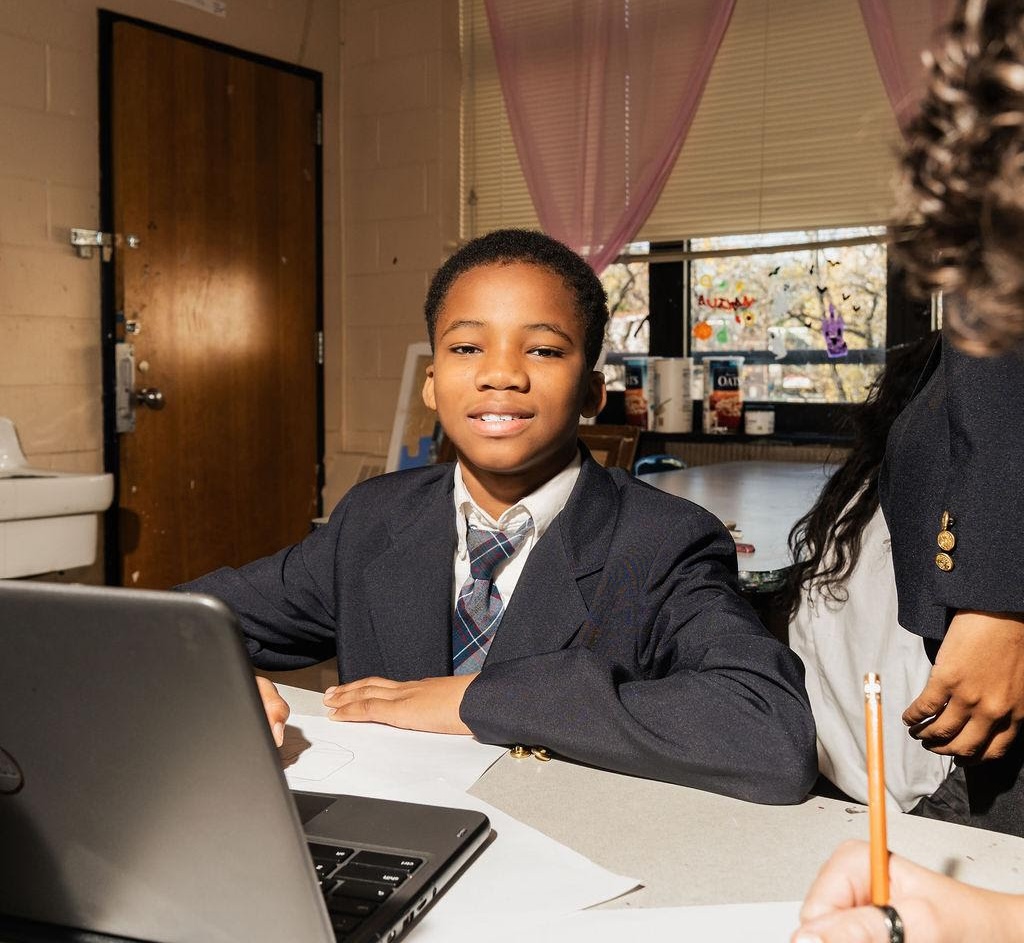
On a recent afternoon in North Philadelphia, Hope Partnership for Education middle schoolers crowded around a 3D printer in their new makerspace, watching their designs take shape. A few years ago, that room didn’t exist, nor did the roadmap that made it possible. For years, Hope has offered an individualized education for middle school students, aiming to develop the next generation of leaders for a more equitable Philadelphia. The mission was clear; the path forward wasn’t.
By the time Hope engaged Compass Pro Bono for strategic planning support, the organization was stretching limited resources in a tough funding environment. President & CEO Virgil Sheppard described an organization with many goals but no clear way to prioritize them.
Hope needed to focus scarce dollars on its most important objectives: maintaining a strong staffing model, retaining teachers, deepening its role in the community, and building a stronger financial case to funders. As Virgil put it, Hope needed “a clear, compelling case for support when we go to funders” and a realistic plan for long-term stability.
Hope turned to Compass Pro Bono because of trust and value, said Virgil. Leadership and staff had positive past experiences with Compass Pro Bono projects, and the low-bono strategic planning services offered a high-quality, affordable option for a school of Hope’s size.
“The multitude of skill sets on the team…really made it a positive experience and strengthened the collaboration,” Virgil reflected. “The structure of how Compass engages… it was very clear from the beginning who was doing what and when. That helped build trust.”
Compass Pro Bono assembled a team of expert volunteers, led by a nonprofit strategy professional, to partner with Hope. The Compass team conducted a strategic assessment that surfaced strengths and gaps in structure, staffing, and funding. Together with Hope’s leadership, they organized the work around three core areas: human and financial resources, school model and programs, and Hope’s role as a community resource center.
Through focused working sessions with staff and board leaders, Compass Pro Bono helped sharpen programs and operations, define what success looks like for students and families, and turn big ambitions into phased priorities. The result was a three-year plan with clear priorities, timelines, and ownership that leadership could immediately use with staff, board, and funders. That plan now guides everyday decisions.
“It allowed us to develop a case for support for financials that’s very clear and clean cut for us when we go to funders,” Virgil said.
Narrowing the plan to three strategic priorities gave Hope a focused framework for messaging and specific funding requests, rather than a long wish list. Internally, checklists and progress trackers tied to the plan help leadership document and communicate progress and connect investments to outcomes.
The plan anchors Hope’s budgeting process, helping leadership “be very strategic about our investments and where we put resources,” Virgil said.
The impact shows up in stability and student experience. Hope retained every teacher from the prior year, a point of pride for the organization. The school updated core curricula in science, math, and English Language Arts; invested in STEM and hands-on learning through the makerspace; and ensured that eighth graders now graduate with a micro-credential in coding. New internship opportunities with partners like KPMG give students and graduates a clearer line of sight into life after high school and college. Thanks to their strategic plan, the future for Hope and its students has never been brighter.
“The Compass team really listened. It wasn’t a template; it was a plan that reflected who we are and what we could actually do.”
Virgil Sheppard
President and CEO – Hope Partnership